


Introduction
Recruitment operations are the engine that keeps businesses running consistently. When hiring operations, workforce planning, and service delivery work together, companies maintain quality, meet deadlines, and keep customers satisfied. This post explains how recruiters influence operational continuity and customer experience — and why proactive hiring matters.
Why Consistency Matters (The Root Cause)
When people call a business “consistent,” they mean reliable delivery of services and steady customer experiences. Consistency shows up as on-time projects, quick customer support response times, steady product/service quality, and predictable staffing levels. Behind all of this is workforce stability powered by recruitment operations.
Recruitment’s Hidden But Critical Role
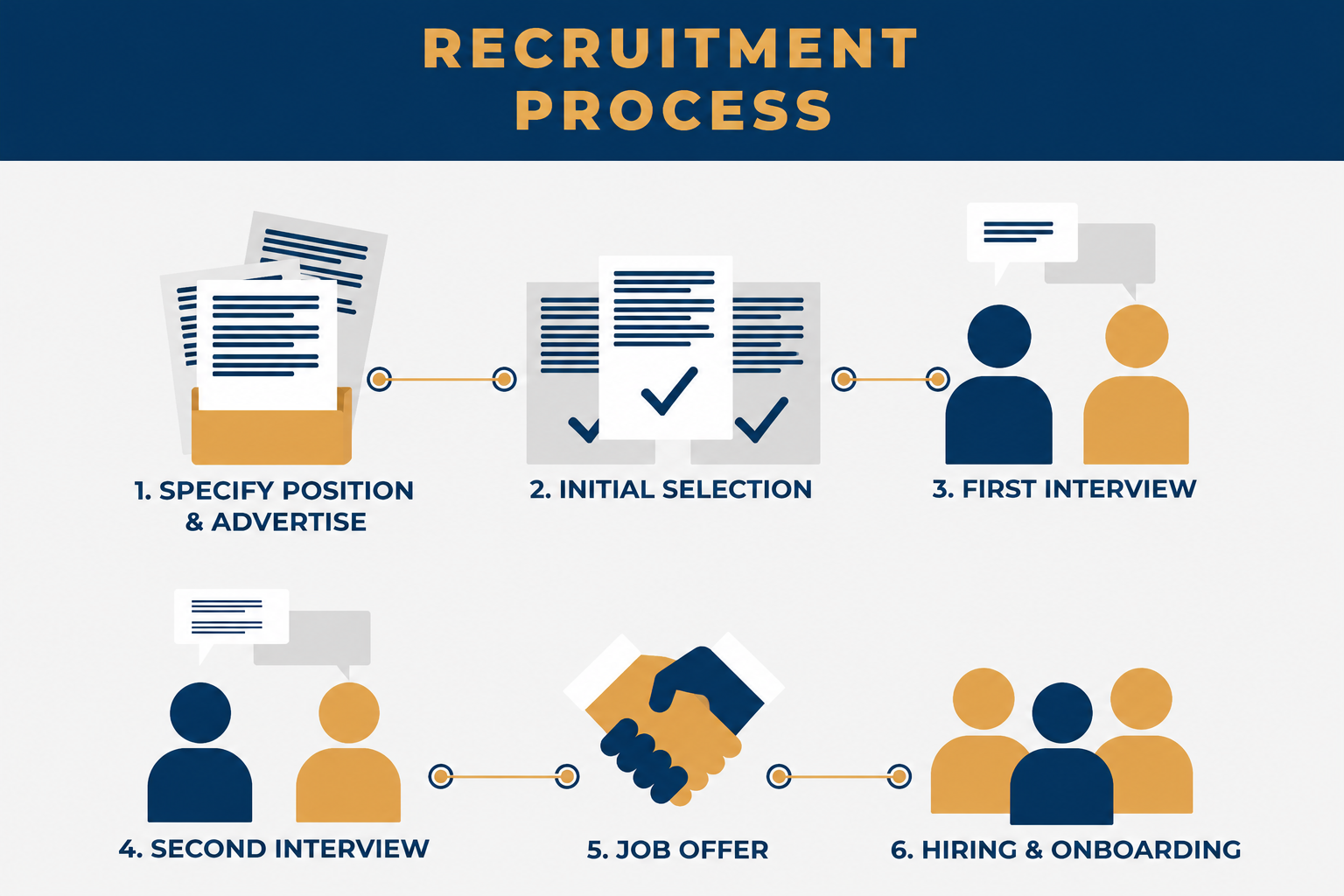
Recruiters do more than fill vacancies. Effective recruitment operations:
- Forecast staffing needs using data and seasonality
- Build a talent pipeline to reduce time-to-hire
- Improve candidate-job fit to lower employee turnover
- Support skills planning so teams can deliver consistently
When recruiters align strategy with business goals, they create a continuous signal that keeps operations green.
Proactive Hiring Prevents Operational Breakdowns

Waiting to hire until a vacancy appears causes delays and quality drops. Problems include:
- Overworked employees and higher burnout
- Longer delivery times and missed deadlines
- Falling customer satisfaction and damaged reputation
Proactive workforce planning — anticipating demand spikes, onboarding in advance, and cross-training where appropriate — protects service quality and prevents the “butterfly effect” of small gaps becoming large problems.
Real-World Impact Across Industries
- B2B consulting and tech: Losing senior staff delays projects, reduces responsiveness, and erodes client trust.
- Healthcare: Staff shortages increase wait times and lower patient care quality.
- Hospitality and retail: High turnover creates inconsistent guest experiences and poor reviews.

Across sectors, recruitment operations work behind the scenes so customers see reliable, knowledgeable staff and timely responses.
How to Align Recruitment with Operational Goals (Practical Steps)

- Use data-driven workforce planning: analyze historical demand, attrition, and seasonality
- Build a talent pipeline: maintain pools of passive and active candidates
- Shorten time-to-hire: streamline interview and offer workflows
- Focus on candidate fit: use structured interviews and skills assessments
- Cross-train employees: create redundancy for critical roles
- Monitor outcomes: track metrics like time-to-fill, attrition rate, SLA compliance, and NPS.
The Myth of Recruitment as a Reactive Task

Treating recruitment as vacancy management guarantees firefighting. Instead, recruit proactively by predicting needs from business pipelines: new clients, seasonal demand, product launches. This keeps headcount aligned to demand and prevents last-minute compromises on quality.
Conclusion: Recruitment Operations Are a Business Strategy, Not Just an HR Function
Running recruitment operations well is not just about filling seats. It is about building a stable business, maintaining quality over time, and earning the trust of every client and customer your organisation serves.
When your hiring strategy aligns with business objectives, the signal stays green. Every team performs at its best, every deadline is met, and every client interaction reflects the standard your brand promises.
And for more insights into recruitment strategy, visit NonStop Hiring.
