


Introduction
The shift toward globalized remote hiring has revolutionized the job market, allowing companies to tap into specialized skills regardless of geography. However, this transition has outpaced the development of unified labor laws, leaving a fragmented regulatory landscape that poses significant risks to employers. Understanding remote hiring compliance challenges is no longer just a task for the legal department; it is a core strategic necessity for any growing business.
As businesses continue to embrace global and distributed workforces, remote hiring has become a critical component of modern talent acquisition.
What Is Remote Hiring?
Remote Hiring is the process of recruiting, interviewing, selecting, and onboarding employees who work outside a traditional office environment. These employees may work from home, coworking spaces, or any location with reliable internet access.
Unlike traditional recruitment, remote hiring relies almost entirely on digital tools throughout the hiring process.
Typical remote recruitment activities include:
- Online job postings
- Virtual interviews
- Digital skills assessments
- AI-assisted resume screening
- Electronic offer letters
- Virtual onboarding sessions
This approach enables organizations to recruit talent across cities, countries, and continents without requiring relocation.
Why Remote Hiring Is Growing ?
Several factors are driving the widespread adoption of Remote Hiring.
1. Access to Global Talent
Organizations can recruit highly qualified professionals regardless of location, helping overcome local talent shortages.
2. Increased Workforce Flexibility
Remote employees often enjoy greater flexibility, leading to improved work-life balance and higher job satisfaction.
3. Cost Savings
Companies can reduce expenses related to office space, relocation, utilities, and infrastructure.
4. Faster Business Expansion
Organizations entering international markets can quickly build local teams without establishing physical offices.
5. Employee Preference
Many professionals actively seek remote opportunities because they value flexibility and reduced commuting time.
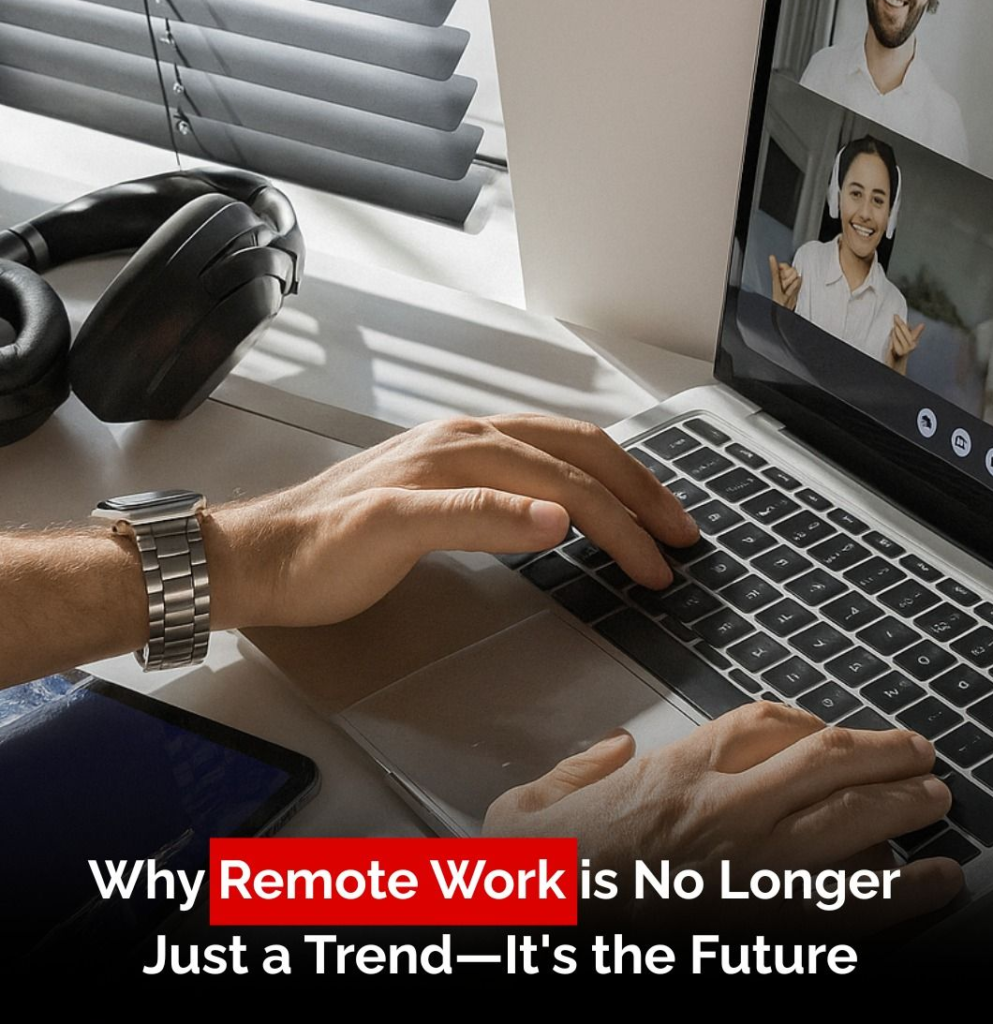
Navigating Cross-Border Hiring Compliance
The most immediate hurdle in compliance in remote hiring is the principle of lex loci laboris the law of the place of work. Generally, employment laws of the jurisdiction where the employee is physically located apply, regardless of where the company is headquartered. One of the biggest compliance challenges in remote hiring is properly classifying workers.
The Challenge of Jurisdictional Fragmentation:
When you hire a remote worker in a different state or country, you are effectively opening a virtual branch in that location. This triggers a suite of local requirements:
- Tax Nexus: Hiring an employee in a new jurisdiction may create a “permanent establishment,” making the company liable for local corporate taxes.
- Mandatory Benefits: Countries like Brazil or France have strict requirements for “13th-month” pay, meal vouchers, and specific vacation durations that differ significantly from U.S. standards.
- Termination Laws: In many European and Latin American countries, at-will employment does not exist. Employers must provide just cause and follow lengthy notice periods or pay substantial severance.
Remote Worker Classification Laws: Contractor vs. Employee
Perhaps the most litigious area of compliance issues in remote work hiring involves worker classification. To avoid the administrative burden of international payroll, many companies default to hiring “independent contractors.” However, misclassification can lead to massive back-tax liabilities and penalties.
The Control Test :
Most jurisdictions use a variation of the “control test” to determine status. If the company dictates how, when, and where the work is done, provides equipment and requires exclusivity, the worker is likely an employee in the eyes of the law, regardless of the contract title.
| Feature | Independent Contractor | Full-Time Employee |
| Tools/Equipment | Provides their own | Provided by company |
| Tax Responsibility | Self-managed | Withheld by employer |
| Autonomy | High (sets own hours) | Lower (follows company schedule) |
| Exclusivity | Can work for other clients | Usually restricted |
Employment Law Compliance for Remote Workers
Employment law compliance for remote workers extends into the physical environment of the employee. Employers are often surprised to learn that they may be responsible for the health and safety of a home office.
- Workplace Safety (OSHA): While the U.S. OSHA has limited oversight of home offices, many EU countries require employers to conduct (or pay for) ergonomic assessments of remote workstations.
- Working Time Regulations: Monitoring “overtime” in a remote setting is a significant remote hiring legal challenge. In jurisdictions like Spain or Germany, employers are mandated to record the daily working hours of all employees to ensure they do not exceed legal limits.
- The Right to Disconnect: An increasing number of regions are passing “Right to Disconnect” laws, which prohibit employers from penalizing workers for not responding to communications outside of standard working hours.
Steps to Build an Effective Remote Hiring Process
Step 1: Define the Role Clearly
Create detailed job descriptions outlining:
- Responsibilities
- Required skills
- Working hours
- Time zone expectations
- Communication requirements
Clear expectations attract better candidates.
Step 2: Choose the Right Recruitment Channels
Successful remote hiring depends on reaching qualified candidates.
Effective channels include:
- Company career pages
- Professional networking platforms
- Employee referrals
- Industry communities
- Remote-focused job boards
Step 3: Screen Candidates Efficiently
Modern recruiters combine:
- Resume reviews
- Skills assessments
- Portfolio evaluations
- AI screening tools
- Structured questionnaires
This reduces bias while improving hiring quality.
Step 4: Conduct Structured Virtual Interviews
Virtual interviews should evaluate both technical expertise and remote work readiness.
Interview topics include:
- Communication ability
- Self-management
- Collaboration skills
- Problem-solving
- Adaptability
Step 5: Deliver a Strong Virtual Onboarding Experience
Remote onboarding should include:
- Company introductions
- Equipment setup
- Training materials
- Team introductions
- Regular manager check-ins
Strong onboarding improves employee engagement and productivity.
Technology Supporting Remote Hiring
Technology forms the foundation of successful Remote Hiring.
Organizations commonly rely on:
- Applicant Tracking Systems
- Video conferencing software
- Collaboration platforms
- Project management tools
- Digital document signing
- HR management systems
These technologies simplify recruitment while improving collaboration.
Creating a Remote-First Hiring Culture
Many organizations advertise remote positions but continue to operate with traditional office-based management styles. This creates confusion for new employees and often leads to disengagement.
A remote-first culture means designing every stage of the employee experience with distributed teams in mind.
This includes:
- Digital onboarding processes
- Cloud-based documentation
- Transparent communication
- Flexible work policies
- Clear performance expectations
- Accessible leadership
When companies embrace a remote-first mindset, employees feel more connected regardless of their location.
Building Trust During Remote Hiring
Trust is one of the most important foundations of successful remote work. Unlike traditional offices, managers cannot rely on physical supervision to measure productivity.
Instead, organizations should build trust by focusing on outcomes rather than activity.
Effective trust-building strategies include:
- Clearly defining responsibilities
- Setting measurable objectives
- Providing regular feedback
- Encouraging open communication
- Giving employees autonomy
Employees who feel trusted are often more motivated, engaged, and productive.
Hiring for Remote Work Competencies
Technical qualifications alone are no longer enough. Successful remote employees possess a combination of professional expertise and workplace behaviors that support independent work.
Important competencies include:
1. Self-discipline
Remote professionals must manage their own schedules without constant supervision.
2. Written Communication
Most remote collaboration happens through written messages, making strong communication skills essential.
3. Problem-Solving Ability
Remote employees frequently make independent decisions without immediate managerial support.
4. Adaptability
Technology, workflows, and business priorities change rapidly. Adaptable employees adjust more easily.
5. Time Management
Meeting deadlines across multiple time zones requires excellent organizational skills.
Recruiters should evaluate these competencies during interviews through behavioral questions and practical assessments.
Strengthening Employer Branding for Remote Talent
Competition for remote professionals has increased significantly. Companies must differentiate themselves to attract top candidates.
A strong employer brand should communicate:
- Company mission
- Workplace culture
- Career growth opportunities
- Learning and development programs
- Diversity and inclusion initiatives
- Employee wellbeing support
Candidates often research employers extensively before applying. Positive employee testimonials, transparent communication, and an engaging careers page can significantly improve application rates.
International Labor Laws and Work Authorization
Hiring across borders brings international labor laws in remote hiring into sharp focus, specifically regarding a person’s legal right to work.
Work Authorization for Remote Employees
A common misconception is that if a worker stays in their home country, the employer doesn’t need to worry about visas. However, compliance challenges arise when:
- Digital Nomads: An employee moves to a third country without informing the employer, potentially violating that country’s immigration and tax laws.
- Local Entity Requirements: Some countries require the employer to establish a local legal entity in order to legally hire, sponsor, and pay an employee, as well as to make required contributions to the employee’s social security system.
Using an Employer of Record (EOR) is a common strategy to mitigate these risks. An EOR acts as the substitute legal employer in the worker’s country, handling payroll, taxes, and compliance, while the client company manages the worker’s day-to-day tasks.
Supporting Career Development for Remote Employees
Career progression remains important regardless of work location.
Organizations should provide:
- Leadership development programs
- Online certifications
- Internal mentoring
- Cross-department projects
- Promotion opportunities
Employees who see long-term career paths are generally more committed to the organization.
Using Data to Improve Remote Hiring
Modern organizations increasingly rely on recruitment analytics to improve remote hiring outcomes.
Useful metrics include:
- Time to hire
- Cost per hire
- Offer acceptance rate
- Candidate satisfaction
- Employee retention
- Source of hire
- Interview-to-offer ratio
Regular analysis helps recruiters identify inefficiencies and continuously improve hiring processes.
Building a Borderless Talent Ecosystem
Traditional recruitment limited businesses to candidates within commuting distance of an office. Today, Remote Hiring enables organizations to build borderless talent ecosystems where the best candidate is selected based on capability rather than location.
Instead of viewing recruitment as filling individual vacancies, forward-thinking companies are creating global talent communities that include:
- Future candidates
- Freelancers
- Industry specialists
- Alumni employees
- Internship programs
- Contractor networks
Maintaining relationships with these communities ensures organizations have access to qualified professionals whenever hiring needs arise.
Rather than restarting recruitment from scratch every time a role opens, companies can engage with an existing network of trusted talent.
The Rise of Skills Intelligence
One of the most exciting innovations transforming Remote Hiring is skills intelligence.
Instead of relying primarily on resumes or job titles, organizations are beginning to map individual capabilities using advanced skills databases.
Recruiters now evaluate candidates based on:
- Technical expertise
- Digital proficiency
- Leadership capability
- Collaboration skills
- Learning agility
- Creative problem-solving
- Communication effectiveness
This allows businesses to match people with roles more accurately while identifying transferable skills that traditional hiring methods often overlook.
For example, someone with strong analytical thinking and project management experience may successfully transition into a new industry even without direct sector experience.
Hiring for Adaptability Instead of Experience Alone
Technology changes faster than job descriptions. As a result, companies increasingly prioritize adaptability over years of experience.
During Remote Hiring, recruiters now assess:
- Curiosity
- Continuous learning
- Change management
- Decision-making under uncertainty
- Innovation mindset
Employees who learn quickly often outperform those who simply possess long experience in outdated systems.
Organizations that hire adaptable professionals create workforces capable of evolving alongside technology and market demands.
Digital Employee Experience Becomes a Competitive Advantage
Candidate experience has long been important, but the next evolution focuses on the complete digital employee experience.
Every interaction—from the first application to long-term career development—should feel seamless and engaging.
Modern organizations invest in:
- Personalized onboarding journeys
- Self-service HR portals
- AI-powered learning platforms
- Digital recognition programs
- Interactive leadership sessions
- Virtual wellness initiatives
A strong digital employee experience increases engagement while reducing voluntary turnover.
Data Privacy and Cybersecurity Compliance
Remote hiring requires collecting and processing sensitive candidate information.
This may include:
- Personal identification details
- Employment history
- Educational records
- Financial information
- Background check data

Strategies for Maintaining Compliance
To successfully navigate cross-border hiring compliance, organizations should adopt a multi-layered strategy:
- Standardized Audits: Regularly review the status of international contractors to ensure they haven’t drifted into “de facto” employee territory.
- Localized Contracts: Never use a “one-size-fits-all” employment agreement. Ensure every contract is vetted against the labor laws of the worker’s specific location.
- Invest in Compliance Tech: Utilize HR software that offers built-in compliance features for different tax jurisdictions.
- Clear Remote Work Policies: Establish “Permanent Residency” clauses that require employees to notify the company before moving to a new state or country.
Conclusion
The compliance challenges in remote hiring are vast but manageable with the right infrastructure. By respecting local remote worker classification laws and staying ahead of international labor laws, companies can build a sustainable, global team that is legally protected and operationally efficient. Failure to address these issues doesn’t just result in fines, it erodes the trust and stability necessary for a successful remote workplace culture.
Remote hiring offers lot of opportunities for organizations seeking access to global talent.
Call To Action
Looking for further insight into recruitment, business strategy, and digital transformation?
Read more here: Non Stop
Frequently Asked Questions (FAQs)
1. What are the biggest compliance risks when hiring remote employees internationally?
The primary risks include misclassification of workers (treating an employee as a contractor), failing to withhold the correct payroll taxes, and ignoring local labor laws regarding mandatory benefits like health insurance, pensions, or “13th-month” pay. Additionally, companies face “Permanent Establishment” risk, as hiring a worker in a specific country may trigger corporate tax obligations for the entire business in that jurisdiction.
2. How can I legally hire a remote worker in a country where I don’t have a business entity?
The most common solution is to use an Employer of Record (EOR). An EOR is a third-party organization that already has a legal entity in that country. They officially employ the worker on your behalf, handling all local payroll, taxes, and compliance, while you maintain the day-to-day management of the employee’s work.
3. What is the ABC Test in remote worker classification?
The ABC Test is a legal standard used in many jurisdictions to determine if a worker is truly an independent contractor. To pass, the company must prove:
- (A) The worker is free from the control and direction of the hirer.
- (B) The worker performs work that is outside the usual course of the hirer’s business.
- (C) The worker is customarily engaged in an independently established trade or occupation.
4. Do I need to provide equipment for remote workers to stay compliant?
This depends entirely on the local laws. In some countries, such as Mexico or parts of the EU, employers are legally required to provide or reimburse the cost of necessary tools, including laptops and even a portion of internet/utility bills. In the U.S., while federal law doesn’t strictly mandate it, some states (like California) require reimbursement for all “necessary” business expenses.
5. Can a remote worker’s location change my company’s tax status?
Yes. This is known as nexus or Permanent Establishment. If a remote employee performs core revenue-generating activities in a new state or country, local tax authorities may argue that your company is “doing business” there. This could make your company liable for local corporate income taxes and regular audits in that jurisdiction.
6. How do Right to Disconnect laws affect remote hiring?
Right to Disconnect laws (common in France, Spain, and Portugal) give employees the legal right to ignore work-related communications outside of their working hours. For a remote employer, this means you cannot penalize a worker for not responding to late-night emails or Slack messages. Failing to respect these boundaries can lead to significant labor law penalties.
