


Introduction
Many companies use the terms “talent acquisition” and “job recruitment” interchangeably, assuming they mean the same thing. They do appear quite similar. Both involve hiring people, creating job descriptions, conducting interviews, and onboarding new employees into the organization. At a basic level, both processes aim to bring in the talent a company needs to function and grow.
However, when you look a little deeper, the difference becomes much more meaningful. Job recruitment is often reactive. It focuses on filling an immediate vacancy as quickly as possible so that work can continue without disruption. Talent acquisition, on the other hand, is more strategic and long-term in its approach. It’s not just about filling roles, but about identifying, attracting, and nurturing the kind of talent that will support the company’s future growth.
While recruitment solves a short-term need, talent acquisition looks at the bigger picture. It considers where the company is headed, what skills will be required over time, and how to build a workforce that can adapt and grow along with the business.
As the workplace continues to evolve, businesses are rethinking how they attract and retain top talent. The competition for skilled professionals has intensified, making hiring more strategic than ever before. In this changing environment, many organizations use the terms Talent Acquisition and Recruitment interchangeably. However, these two approaches serve different purposes and can significantly impact long-term business success.
Understanding the difference between Talent Acquisition and Recruitment is essential for companies that want to build strong teams, improve workforce planning, and stay competitive in the future. While recruitment focuses on filling immediate vacancies, talent acquisition takes a broader, long-term view of workforce development.
This article explores the key differences between Talent Acquisition and Recruitment, their benefits, challenges, and what businesses should know to prepare for the future of hiring.
If businesses want to remain stable in the present while also preparing for future growth, they need to be intentional about their approach. This means knowing when to focus on recruitment to address immediate needs, and when to invest in talent acquisition as a long-term strategy. Striking the right balance between the two allows companies to stay efficient today while building a stronger, more adaptable workforce for tomorrow.
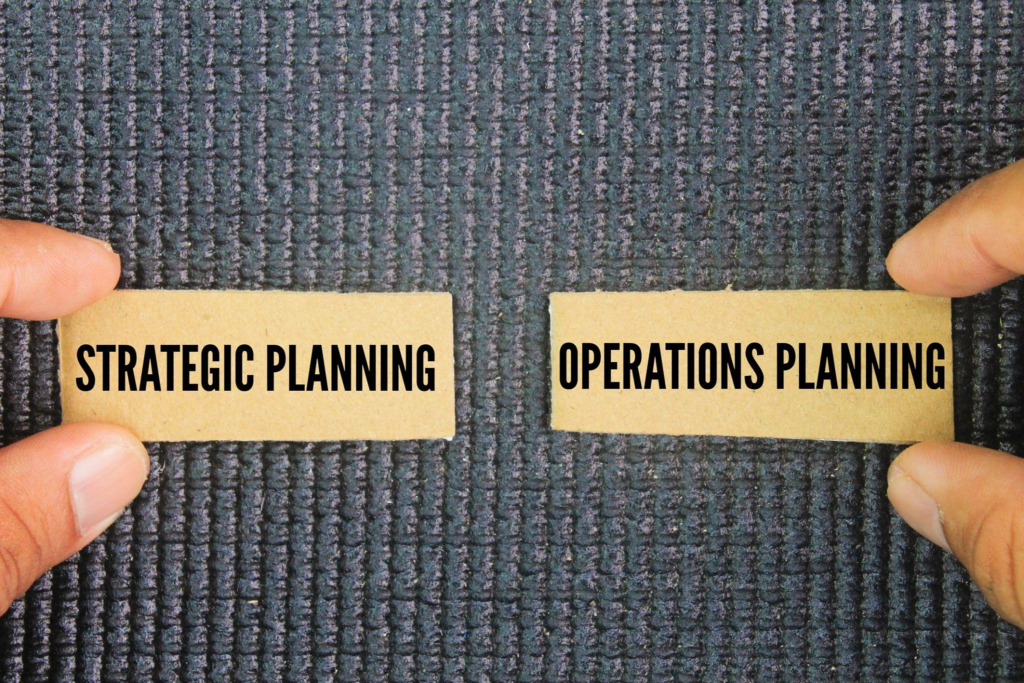
Define Job Recruitment
Job recruitment is primarily a reactive process. A role becomes vacant. A job description is created or updated. The company posts the opening on job portals. Applications start coming in. Interviews are conducted. An offer is made.
The objective is straightforward: fill the open position as efficiently as possible so operations continue smoothly.
Recruitment is mainly about solving an immediate need. When a role opens up, the focus is on finding someone who can step in quickly and handle the responsibilities without slowing things down. It answers a simple question: who can do this job effectively right now?
This approach works well in situations like replacing an employee, managing sudden growth, or handling seasonal demand. It helps teams stay on track, keeps operations running smoothly, and ensures the work doesn’t pile up due to a missing resource. Our Staffing Services are specifically designed to support businesses that need to fill roles quickly without compromising on quality.
However, recruitment is often short-term in its thinking. Once the position is filled, the process usually ends. It doesn’t always look at how roles might evolve, how employees can grow within the organization, or what skills the business might need in the future. In that sense, recruitment solves today’s gap but it doesn’t always prepare the company for what comes next.
What Is Talent Acquisition?
Talent acquisition takes a broader and more strategic approach to hiring. Instead of waiting for a vacancy to arise, it focuses on anticipating what the organization might need in the future. It’s about thinking ahead, understanding how the business is likely to grow, what roles will become important over time, and what kind of talent will be needed to support that journey.
Rather than reacting to immediate gaps, talent acquisition aligns hiring decisions with long-term goals, expansion plans, and innovation strategies. It looks at the bigger picture, considering not just current requirements but also how roles and skills might evolve as the company scales.
This approach allows organizations to build a stronger, more future-ready workforce. By identifying and engaging with the right talent early on, companies are better prepared to adapt, grow, and stay competitive in a constantly changing environment. Gartner research confirms that organizations integrating long-term workforce planning into their strategy are significantly better prepared to adapt to disruption and technological change.
Talent acquisition is proactive. It builds relationships before roles open. It develops pipelines. It also plays a key role in strengthening employer branding, as companies that invest in long-term talent strategies tend to leave a more positive and lasting impression on candidates. Over time, this makes it easier to attract high-quality talent through well-structured Recruitment Services..
More importantly, it prepares organizations for growth instead of forcing them to react under pressure. Rather than scrambling to fill roles at the last minute, companies are able to move forward with clarity, confidence, and a workforce that is already aligned with their future direction.

Understanding the Key Differences Between Talent Acquisition and Recruitment
Understanding the contrast between the two helps organizations make more informed and thoughtful hiring decisions. When companies clearly recognize the difference, they are better able to choose the right approach based on their current needs and future goals.
1. Short-Term vs Long-Term Focus
Recruitment is short- term by nature. It responds to current vacancies and immediate operational requirements, Usually driven by urgency, where the focus is on filling a role as quickly and efficiently as possible.
Talent acquisition, on the other hand, takes a much longer-term view. Instead of reacting to immediate needs, it focuses on anticipating future workforce requirements based on projected growth, emerging technologies, and shifting market trends.
This forward-thinking approach allows organizations to prepare for expansion before it actually happens, rather than trying to catch up later. As Workday’s complete guide to talent acquisition vs. recruiting notes, companies that implement both ensure they never scramble for critical hires while simultaneously building an evergreen talent pool.
Companies that rely only on recruitment often find themselves in a constant cycle of reacting, filling one gap after another. In contrast, those that invest in talent acquisition build a more stable and prepared workforce over time.
2. A Transactional vs. a Strategic Approach to Hiring
Recruitment is largely transactional in nature. It focuses on matching a candidate’s qualifications to a specific job description, with the primary goal of filling the role as quickly as possible.
Talent acquisition, on the other hand, takes a more strategic approach. It goes beyond just filling roles and looks at how each new hire fits into the company’s long-term vision. When hiring is aligned with strategy, it becomes a key driver of growth helping organizations build stronger teams, adapt to change more effectively, and create a foundation for long-term success

3. Limited Scope vs. Organisational Vision
Talent acquisition connects multiple layers of the organization from leadership and HR to marketing and operations. It brings these functions together to create a more aligned and thoughtful approach to hiring. Instead of working in isolation, each part of the business contributes to shaping how talent is identified, attracted, and retained.
It also integrates elements like employer branding, workforce analytics, and diversity strategy into decision-making. At its core, talent acquisition views people not simply as resources to fill positions, but as valuable assets who influence the company’s direction, culture, and future growth.
Recruitment typically operates within the HR department, managing job postings, interview coordination, and onboarding procedures in line with our Compliance Services.
4. Reaction vs. Proactive Pipeline Building
Recruitment begins when there is a vacancy. Talent acquisition focuses on building relationships even when there are no immediate openings. Instead of waiting for a vacancy, organizations stay connected with potential candidates through networking events, industry forums, and platforms like LinkedIn.
SHRM research shows that proactive pipeline building reduces the pressure of last-minute hiring and gives teams the confidence to make better decisions. Instead of rushing through a large pool of applications, companies can choose from candidates they already know and trust.
As a result, hiring becomes more thoughtful, efficient, and aligned with long-term goals rather than being driven by urgency alone.

Why Recruitment Is Not Enough ?
Recruitment plays an important role in ensuring continuity, helping businesses keep operations running when roles open up. However, relying only on recruitment can create a constant cycle of urgency. When companies operate in this reactive mode, the focus often shifts to filling positions quickly rather than finding the right long-term fit. Over time, this can lead to compromises in cultural alignment and future potential.
The impact doesn’t stop there. Frequent rushed hiring decisions can increase turnover, add to hiring costs, and disrupt team stability. Research from McKinsey & Company highlights that high-performing individuals contribute disproportionately to organizational success, making it even more important to hire thoughtfully rather than quickly under pressure.
Attracting and retaining such talent requires more than just posting jobs when a vacancy appears. It involves consistent preparation, strong employer branding, and ongoing relationship-building with potential candidates. Without a talent acquisition strategy in place, companies often find themselves competing for the same talent at the last minute — where more prepared and proactive organizations are more likely to win. Businesses can also better manage costs with aligned Payroll Services when hiring is planned rather than reactive.
The Employer Branding Role in Talent Acquisition
Talent acquisition heavily depends on employer branding. Today, candidates don’t just apply blindly, they take the time to research companies, understand their culture, and evaluate whether the organization aligns with their expectations and values before making a decision. They evaluate culture, leadership visibility, employee experiences, and growth opportunities.
A strong employer brand attracts talent naturally. It reduces recruitment effort and improves candidate quality. LinkedIn Talent Solutions research confirms that companies with a strong employer brand see up to 50% more qualified applicants and significantly lower cost-per-hire.
Talent acquisition, however, takes a broader view. It focuses on building a strong and consistent employer reputation that naturally attracts high-potential professionals over time. This difference has a significant impact on long-term hiring success. While recruitment helps solve short-term needs, talent acquisition creates a steady flow of the right candidates, reducing pressure and making hiring more effective in the long run.
Planning the Workforce for Future Skills
Business environments are evolving rapidly, driven by automation, AI integration, and ongoing digital transformation. These changes are not just reshaping how companies operate, but also redefining the skills, roles, and capabilities needed to stay competitive. Companies that fail to anticipate future skill requirements risk falling behind.
Harvard Business Review research on workforce planning shows that companies investing in future skill mapping outperform competitors significantly during periods of market disruption. Global organisations like Google invest heavily in workforce planning and leadership development; they don’t wait for skill gaps to appear before taking action.
Talent acquisition ensures companies remain adaptable. Recruitment ensures operations remain functional. Both matter, but strategic foresight makes the difference. For businesses operating across multiple industries, this balance is critical to explore the industries we serve to understand how strategic hiring approaches vary by sector.
Conclusion
Recruitment keeps the engine running, but talent acquisition builds the engine for future growth. Companies that truly understand this difference are better positioned to stay ahead of their competitors. They don’t just fill roles — they attract the right talent, reduce constant hiring pressure, and build teams that can drive innovation and long-term success.
In today’s business environment, hiring is no longer just about replacing employees. It’s about shaping the future of the organization through the people you bring in. Every hiring decision contributes to culture, capability, and direction.
Organizations that think beyond immediate needs and invest in strategic talent acquisition decisions today are the ones that remain resilient, adaptable, and ready for what’s next.
Recruitment helps organizations address immediate staffing needs, while Talent Acquisition focuses on building a future-ready workforce. As competition for talent continues to increase, businesses that combine strategic Talent Acquisition with efficient Recruitment practices will have the strongest advantage.
The future belongs to organizations that proactively plan for workforce needs, invest in employer branding, build strong talent pipelines, and embrace modern hiring technologies. By understanding the differences between Talent Acquisition and Recruitment, businesses can make smarter hiring decisions and position themselves for sustainable growth in the years ahead.
Call to Action
Want to shift from reactive hiring to a more strategic talent approach? Explore how Nonstop Hiring can support your hiring and growth goals.
Frequently Asked Questions (FAQs)
1. Is talent acquisition simply a modern term for ‘recruitment’?
Not really. While recruitment focuses on filling current vacancies and addressing immediate needs, talent acquisition takes a more long-term and strategic approach. It looks beyond the present and aligns hiring decisions with the company’s future growth, evolving goals, and upcoming workforce planning requirements. Instead of just filling roles, it focuses on building a team that can support the business as it grows and adapts over time.
2. Does talent acquisition improve employee retention?
Yes, because talent acquisition places a strong emphasis on cultural alignment, long-term fit, and growth potential. Instead of focusing only on immediate performance, it considers how well a candidate will adapt, contribute, and grow within the organization over time. This approach often leads to better retention, as employees feel more connected to the company and its values.
3. Can small and mid-sized companies benefit from talent acquisition strategies?
Absolutely. Even smaller organizations can forecast hiring needs, nurture professional networks, and build employer branding. Talent acquisition is about strategic thinking, not company size. In smaller teams, each individual has a visible impact on performance, team dynamics, and overall culture making every hire even more critical. By building relationships with potential candidates over time, smaller companies can compete more effectively with larger organizations for high-quality talent.
4. How can companies move from just recruiting to a more strategic talent acquisition approach?
Companies can begin this transition by shifting their focus from immediate hiring needs to long-term workforce planning. This involves forecasting future skill requirements, building strong talent pipelines, and investing in employer branding. Most importantly, hiring decisions need to be aligned with broader business goals. When recruitment is guided by a long-term strategy rather than short-term urgency, it becomes a more structured and effective talent acquisition approach.
5. Why is Talent Acquisition important for the future?
Talent Acquisition helps businesses prepare for skill shortages, workforce changes, leadership succession, and long-term growth opportunities.
6. How does employer branding support Talent Acquisition?
Employer branding helps attract qualified candidates, improve candidate quality, and strengthen an organization’s reputation in the talent market.
7. What role does technology play in hiring?
Technology improves candidate sourcing, screening, analytics, workforce planning, and overall recruitment efficiency.
